Warehouse Construction: Layout Tips for Flow, Dock Doors, and Future Expansion
Getting the layout of a warehouse right from the start is super important for how smoothly everything runs. We’ve looked at how different layouts work, why dock doors matter so much, and how to think about growing later. Here are the main things to remember:
Key Takeaways
- Think about how stuff moves in and out (flow) when you design the space. Pick a layout pattern like U-shaped, I-shaped, or L-shaped that fits how you work best.
- Dock doors are a big deal for getting trucks in and out quickly. Plan the number, height, and space around them early in the design process.
- Always build with future growth in mind. Designing your warehouse construction to be easily expanded means you won’t have to do major, costly changes later.
Optimizing Warehouse Layout For Efficient Operations
When we think about our warehouse, the layout is probably one of the first things that comes to mind for making things run smoother. It’s not just about where we put the shelves; it’s about how everything flows from the moment goods arrive to when they leave. A poorly planned space can really slow us down, costing us time and money, and honestly, it can be pretty frustrating for everyone working there. We’ve seen how a bad layout can make efficiency drop, sometimes by as much as 25%, which is a big deal when you’re trying to get orders out the door.
Understanding Core Warehouse Layout Patterns
There are a few common ways warehouses are set up, and each has its own pros and cons. Picking the right one depends a lot on the size of our space and how we move things around.
- U-Shaped Layout: This works well if we have a smaller building. The receiving and shipping docks are often in the same area, which can be handy. However, it can get pretty crowded if we have a lot of trucks coming and going at once.
- I-Shaped Layout: Think of this as a straight line. It’s great for operations where we have a lot of product moving through quickly. The workflow is very clear, but it usually needs more space to work effectively.
- L-Shaped Layout: This is a good option for buildings that aren’t a simple rectangle. It helps keep the docks separate from the main storage areas, but it might mean longer trips for people moving goods.
We need to look at our specific needs – like what kind of stuff we store and how fast it moves – to figure out which pattern makes the most sense for us. It’s about making sure people and products can move without bumping into each other.
Strategic Functional Zoning for Workflow Enhancement
Beyond the overall shape, breaking down the warehouse into different zones is key. This helps organize everything and makes sure tasks happen in the right order. Proper zoning can significantly reduce travel time for picking and packing.
Here are the main areas we usually set up:
- Receiving Area: Where goods first come in. We need enough space here to check everything and get it ready for storage.
- Staging Area: This is a temporary spot for items waiting to be put away or prepared for shipping.
- Storage Area: This is the bulk of our space, where inventory is kept. How we organize this – by product type, how often it’s picked, or by expiration date – makes a big difference.
- Picking Area: Where orders are assembled. Placing fast-moving items closer to this area cuts down on walking.
- Packing Area: Where items are boxed up and prepared for shipment.
We also might need special zones for things like returns, damaged goods, or items that need special handling. Using tools like barcode scanners in these zones helps us keep track of everything accurately. For example, making sure items are scanned when they move from one zone to another can really cut down on mistakes. It’s all about creating a logical path for our products and our people.
Designing for Seamless Logistics and Future Growth
When we think about our warehouse, we want it to work smoothly now and be ready for whatever comes next. This means paying close attention to how goods get in and out, and also thinking ahead about adding more space later on.
Critical Considerations for Loading Dock Design
Loading docks are where the action happens, so getting them right from the start is a big deal. It’s not something we can easily change later without a lot of hassle and expense. We need to think about a few key things:
- Number of Docks: How many doors do we actually need? A good rule of thumb for a standard distribution setup is about one dock for every 1,000 to 1,500 square meters of floor space. If we’re doing a lot of quick turnarounds, like with e-commerce or cross-docking, we might need more – maybe one for every 500 to 700 square meters.
- Dock Height: The height of the dock floor needs to match the height of the truck beds we’ll be using. For typical trucks, setting the dock sill at around 1.20 meters above the apron floor level usually works well. This detail needs to be sorted out when we’re doing the foundation drawings.
- Apron Space: We need enough clear space in front of the docks for trucks to maneuver. For regular trucks, at least 12 meters is a good minimum. If we’re dealing with longer semi-trailers, we might need 18 to 22 meters. This area has to be kept clear – no storage, no landscaping.
- Dock Equipment: Things like dock shelters (which seal the gap between the truck and the building) and dock levelers (which bridge the gap) need to be planned for early. The size of the opening, the height above it, and any special floor preparation must be built into the initial design. Adding these later is much more costly.
- Separating Flow: If our operations are busy enough, it makes sense to physically separate the docks where goods come in from the docks where goods go out. This cuts down on traffic jams and makes things safer.
Incorporating Future Expansion into Initial Warehouse Construction
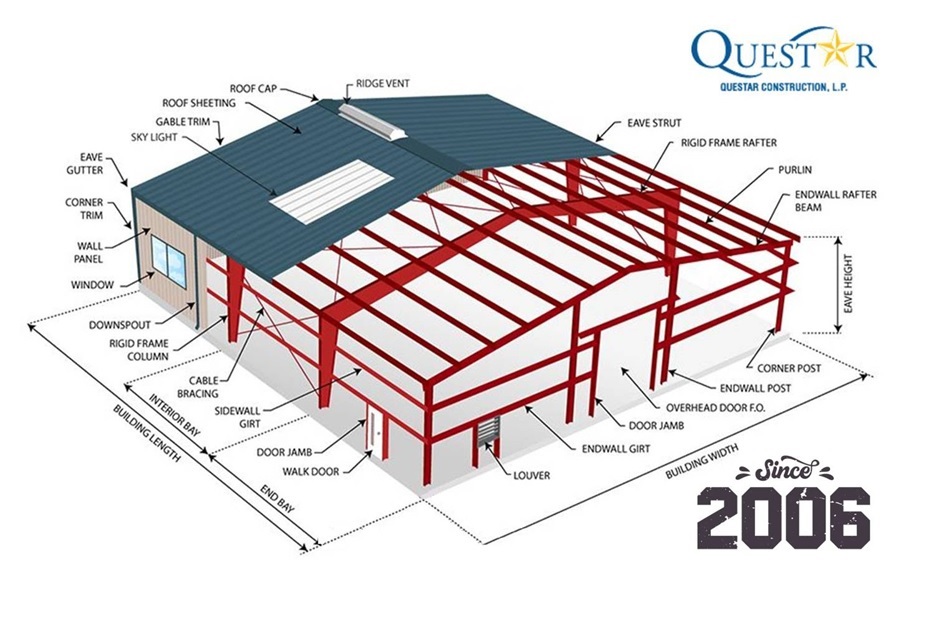
One of the smartest things we can do is build our warehouse with future expansion in mind right from the beginning. This is especially true if we’re using pre-engineered steel buildings, which are often designed to be extended easily. Here’s what we should consider:
- Longitudinal Expansion: The easiest way to add space is usually by extending the building along its length. This means leaving the end walls designed so they can be removed and reattached to a new section without disrupting our current operations.
- Site Planning: When we first lay out the building on our property, we need to make sure there’s enough clear space on at least one side for that future extension. We don’t want to box ourselves in.
- Structural Readiness: The initial structural design should account for the possibility of adding more bays later. This might involve placing columns in a way that makes adding more sections straightforward, or making sure the foundation can support an extended structure.
- Utility Considerations: Think about where utilities like power, water, and data lines will run. If we plan for them to extend easily to a new section, it saves a lot of work down the line. We don’t want to have to rip up floors or walls to get services to a new part of the building.
Planning for growth from day one means we can add capacity without a massive disruption to our daily work. It’s about being smart with our initial investment so that scaling up later is a much simpler process.
Planning for smooth operations and future expansion is key. We make sure your projects are set up for success, both now and down the road. Thinking ahead helps us build better for you.
Build a Warehouse Designed for Long-Term Success
At Questar Construction L.P., we bring more than 35 years of real estate development and commercial construction experience to every project. From site planning and design-build services to engineering coordination and construction management, our team can guide your warehouse project from concept to completion.
Ready to build smart? Visit our website to learn more about how we can help your business grow.
Frequently Asked Questions
What’s the most important thing when planning a warehouse layout?
The biggest thing is making sure everything flows well. You want to plan out how goods come in, where they’ll be stored, and how they’ll go out to customers. A good layout means less wasted time and fewer mistakes. Think about the path everything takes, from the moment it arrives to when it leaves.
Why is planning for future expansion during warehouse construction so important?
It’s way cheaper and easier to plan for adding more space when you first build. If you don’t think about it, you might end up having to tear down walls or make big changes later, which costs a lot of money and stops your operations. Building with expansion in mind means you can just add on more sections later without a huge headache.
How many loading dock doors do we really need?
It really depends on how big your warehouse is and how busy you expect to be. A general rule is to have about one dock door for every 1,000 to 1,500 square meters of floor space. But if you’re doing a lot of fast shipping, like with online orders, you might need more, maybe one for every 500 to 700 square meters. It’s best to figure this out early on.